6.EE.A.1
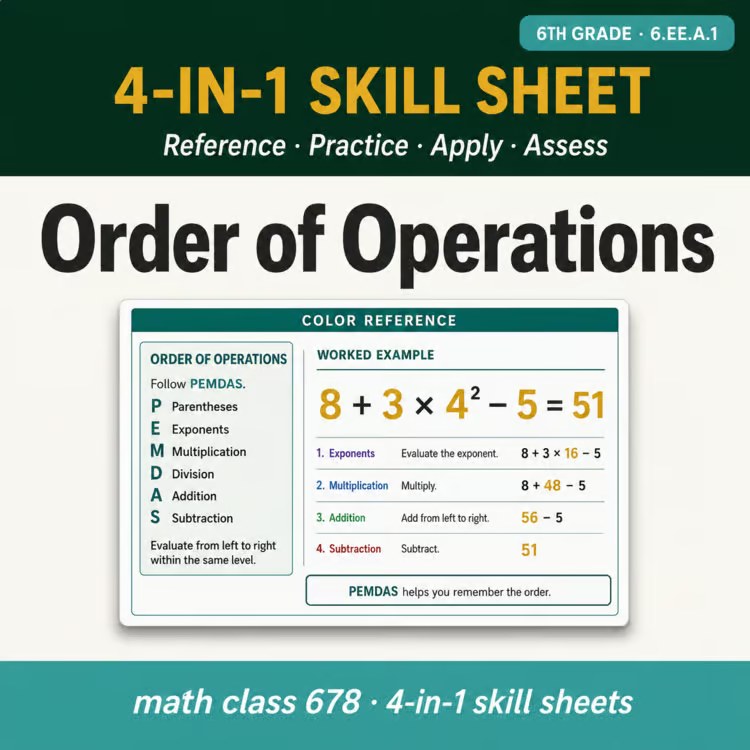
Order of Operations
Students learn to use the order of operations to evaluate expressions, including those with exponents.
6th Grade
View sheet
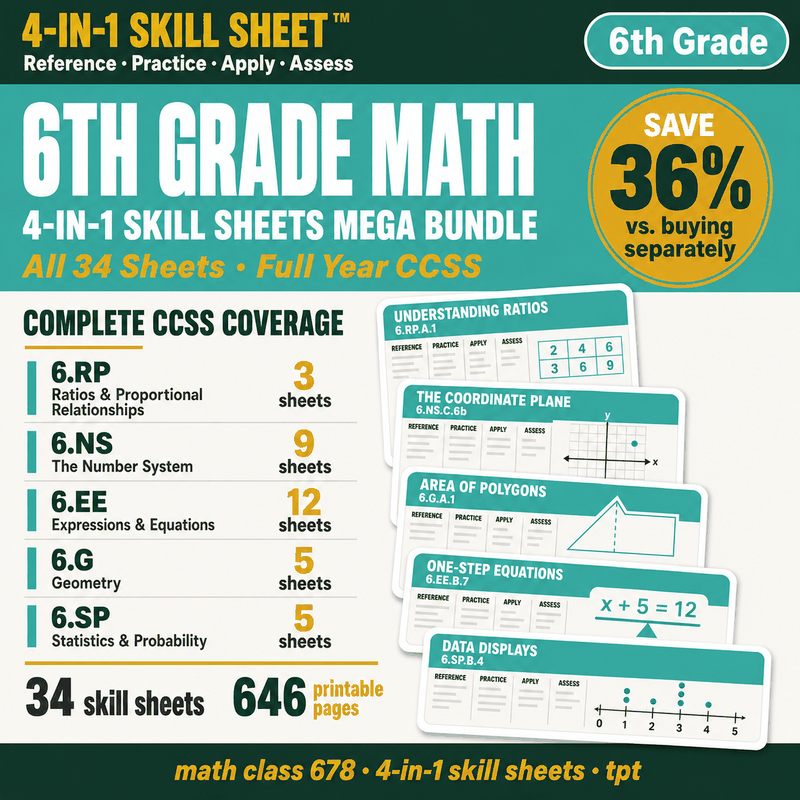
Every 6th grade 4-in-1 Skill Sheet for the full year, all 34 skills across ratios and proportional relationships, the number system, expressions and equations, geometry, and statistics. A complete Common Core aligned 6th grade math curriculum of reference pages, practice, application, and built-in assessments in one bundle.
34 complete 4-in-1 Skill Sheets. Each one is a single printable that takes students through a color Reference page, scaffolded Practice, real-world Apply problems, and an Assess exit ticket with a full answer key. Select any skill below to see its standard and details.
Students learn to use the order of operations to evaluate expressions, including those with exponents.
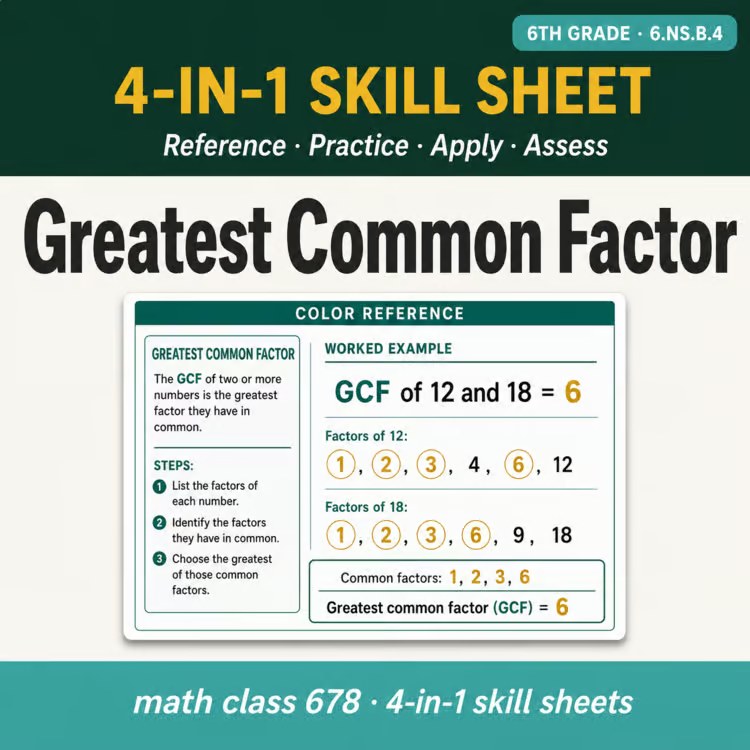
Students learn to find the greatest common factor of two numbers and use it to rewrite sums.
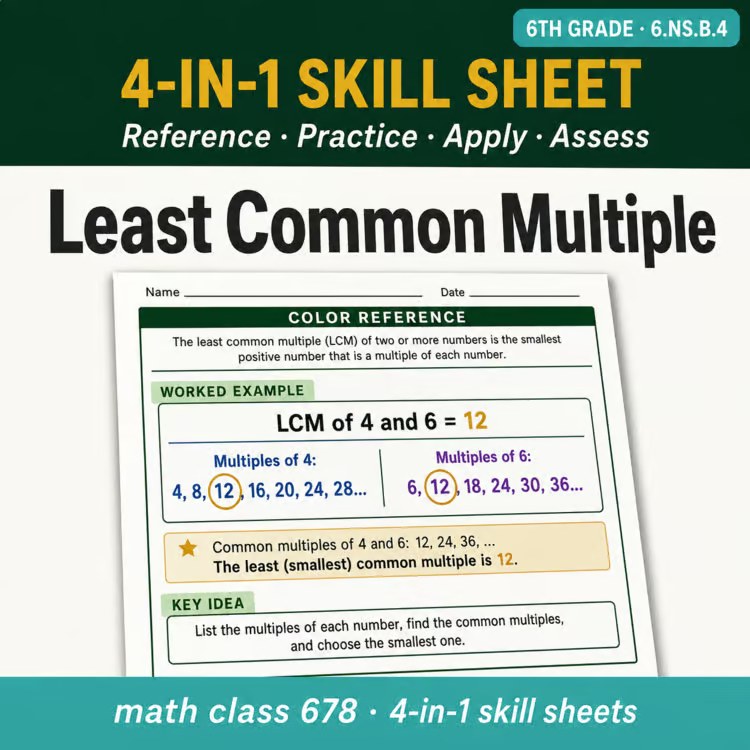
Students learn to find the least common multiple of two numbers to solve real-world problems.
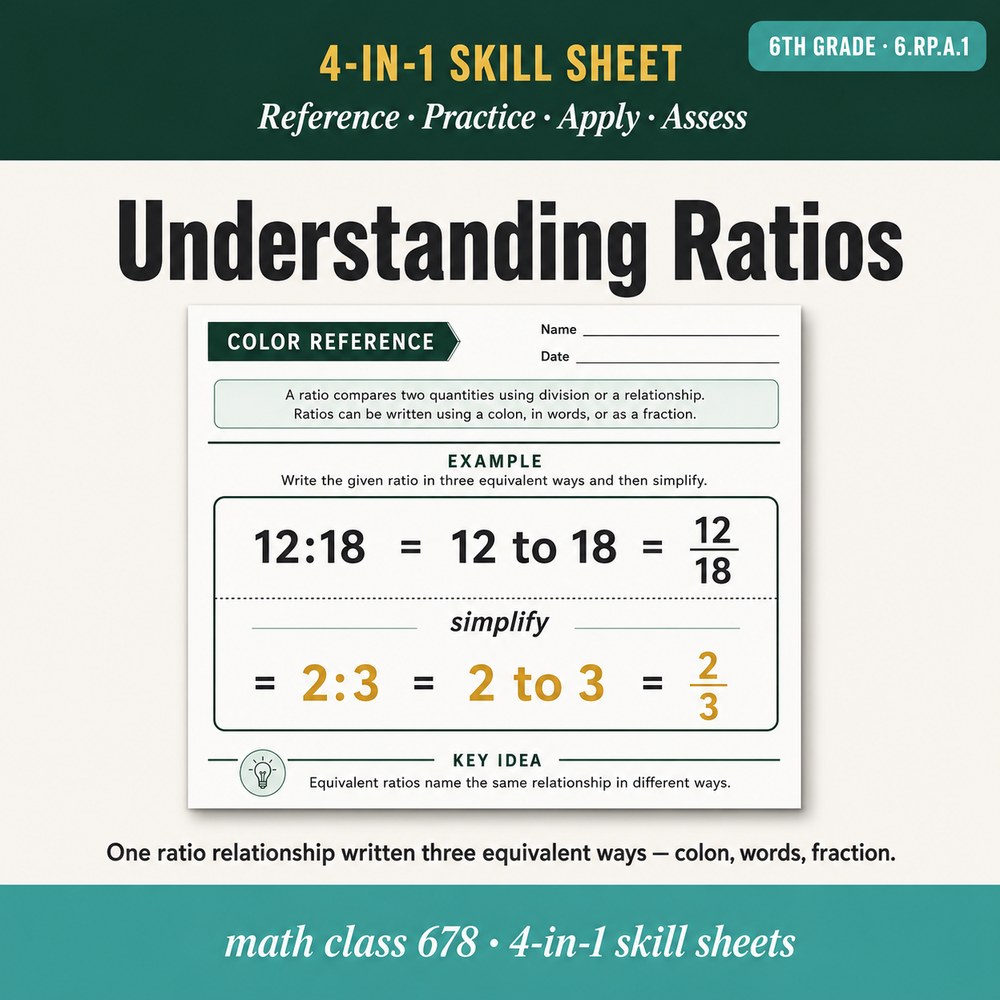
Students learn to use ratio language to describe the relationship between two quantities.
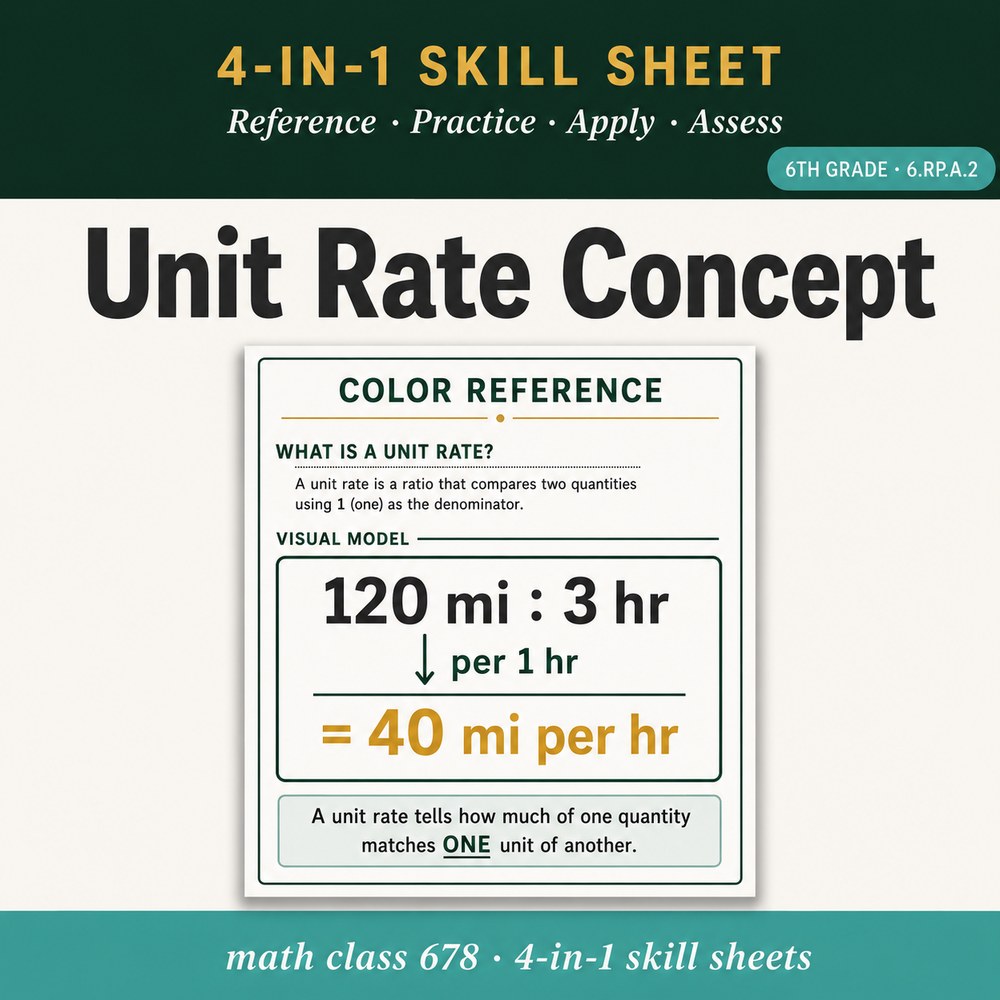
Students learn to find and interpret the unit rate of a ratio relationship.
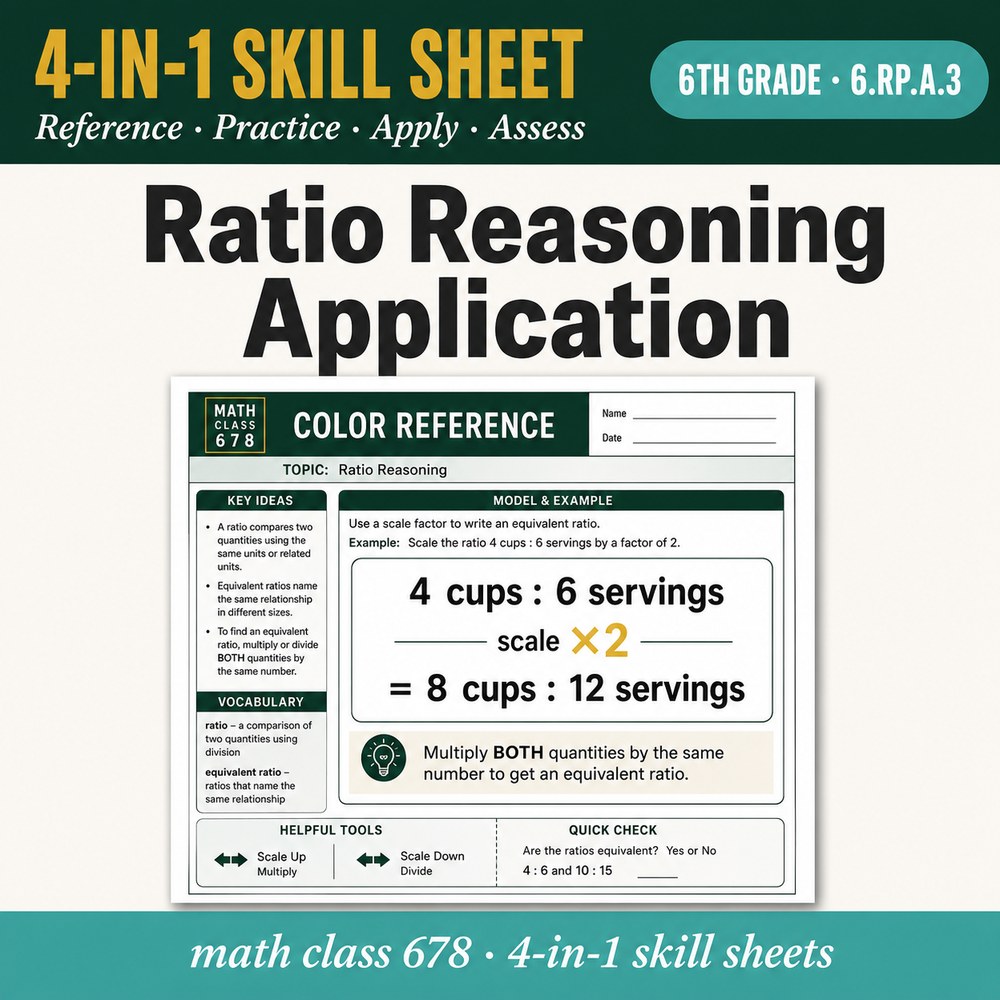
Students learn to use ratio and rate reasoning to solve real-world and mathematical problems.
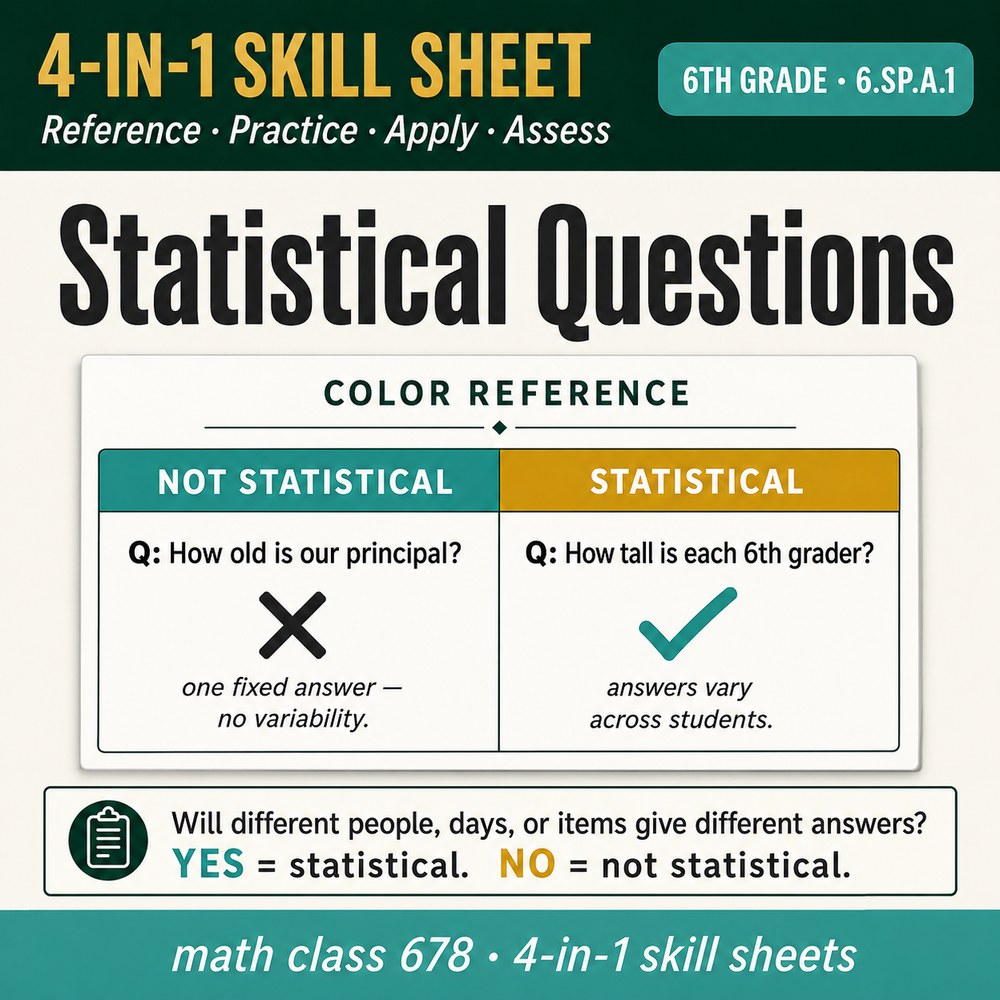
Students learn to recognize a statistical question as one that expects variety in the answers.
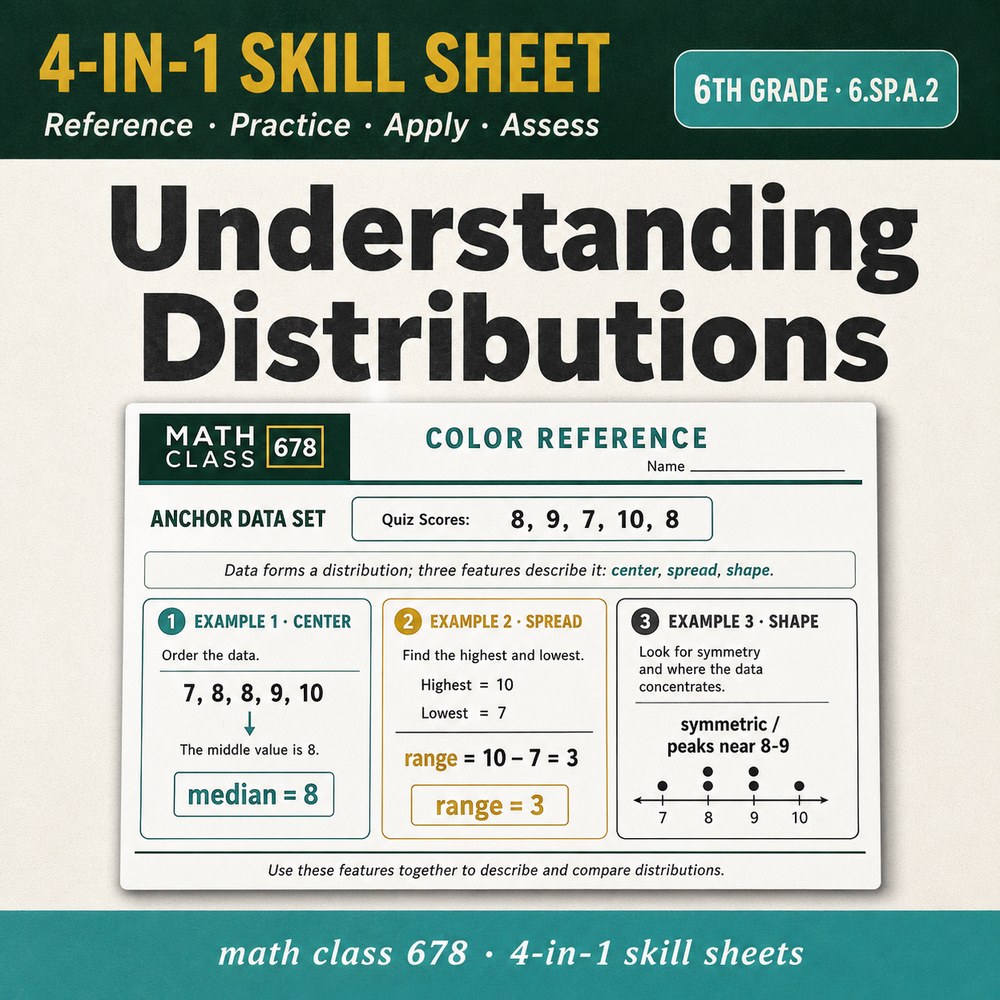
Students learn to describe a data distribution by its center, spread, and overall shape.
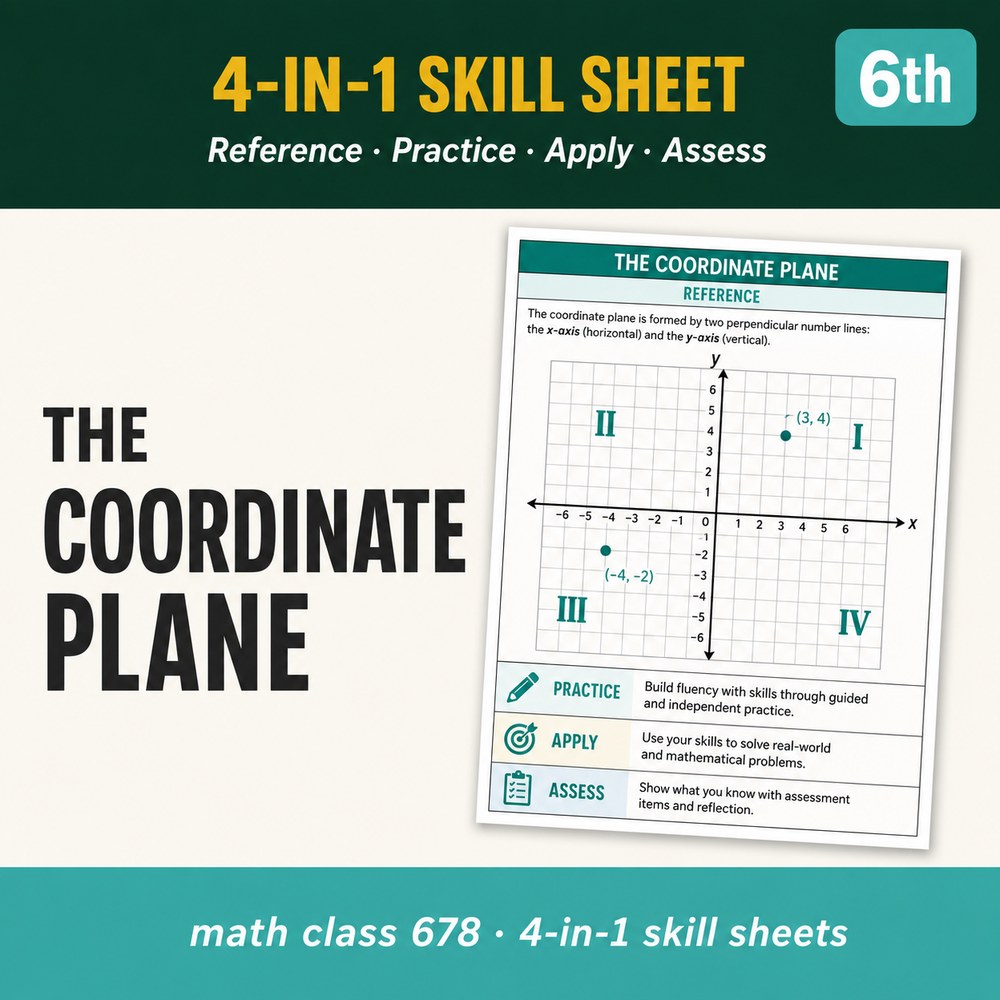
Students learn to graph points in all four quadrants and explain how signs locate each point.
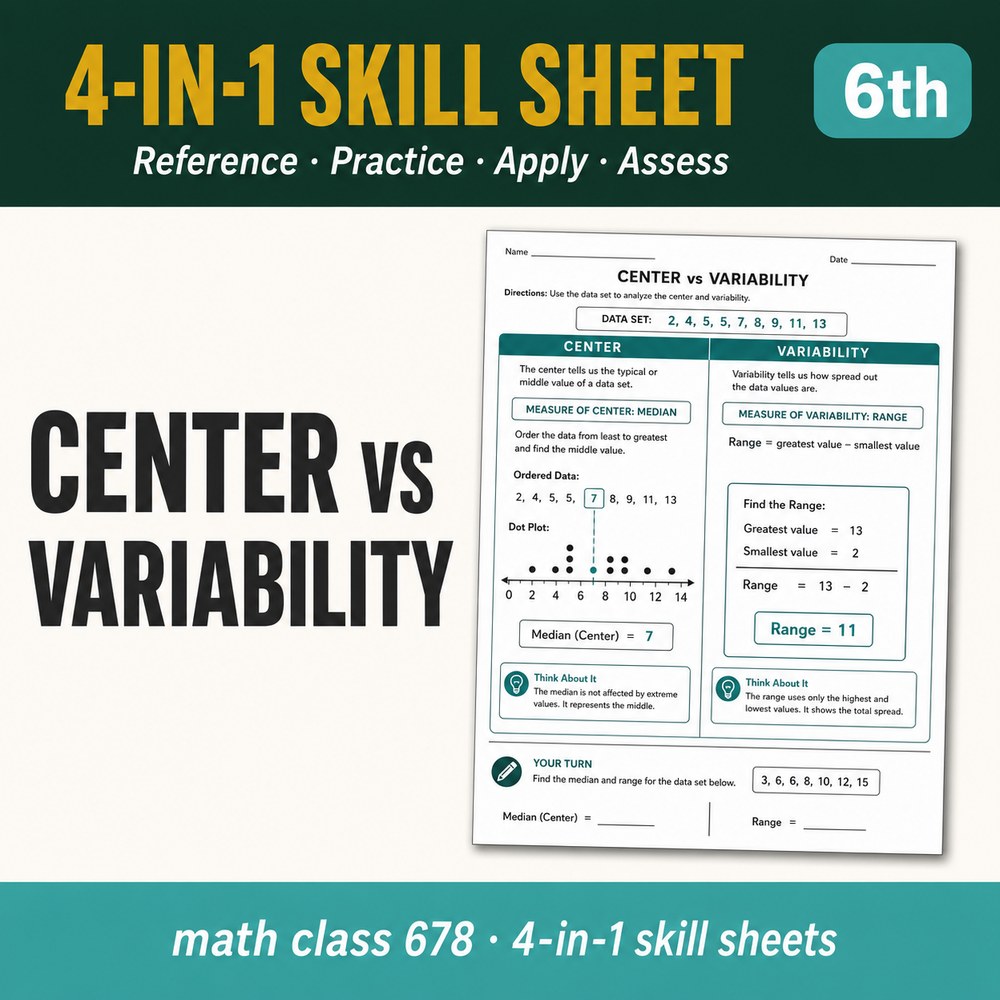
Students learn to explain how a measure of center and a measure of variation describe a data set.
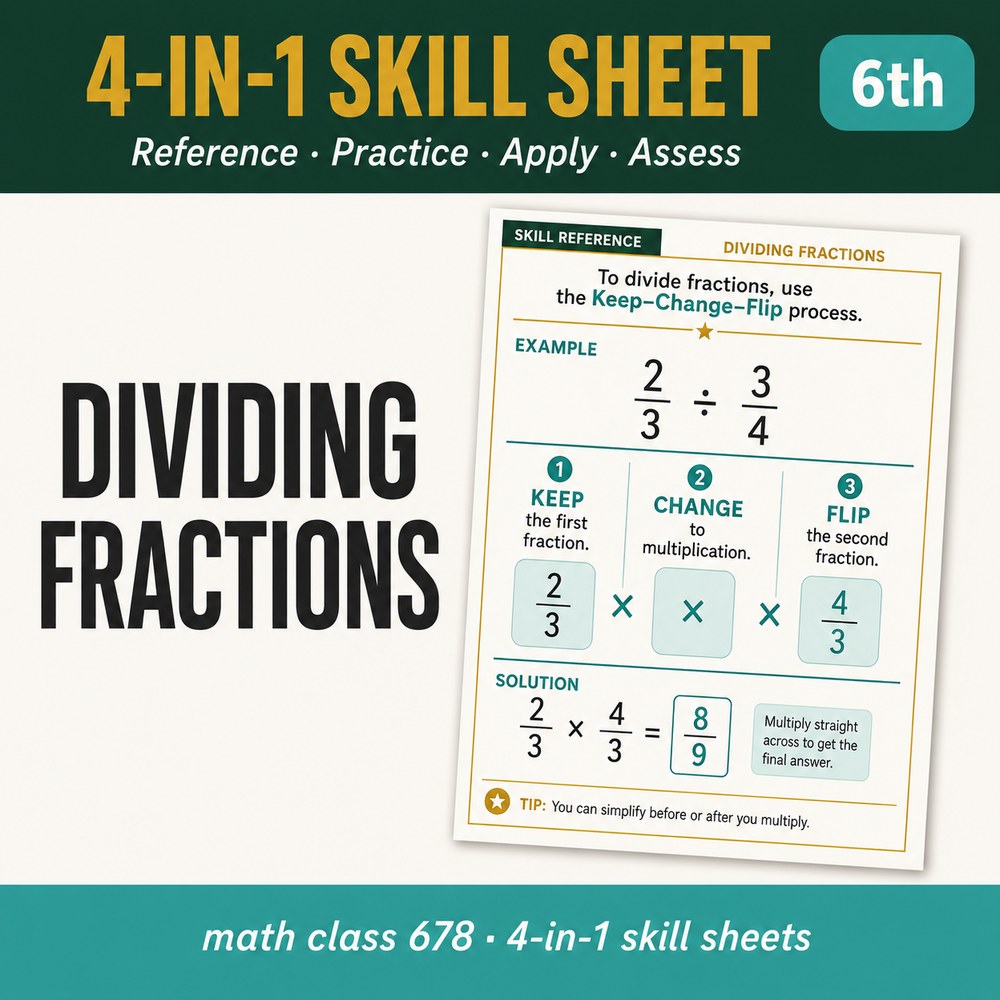
Students learn to divide fractions by fractions and interpret the quotient in context.
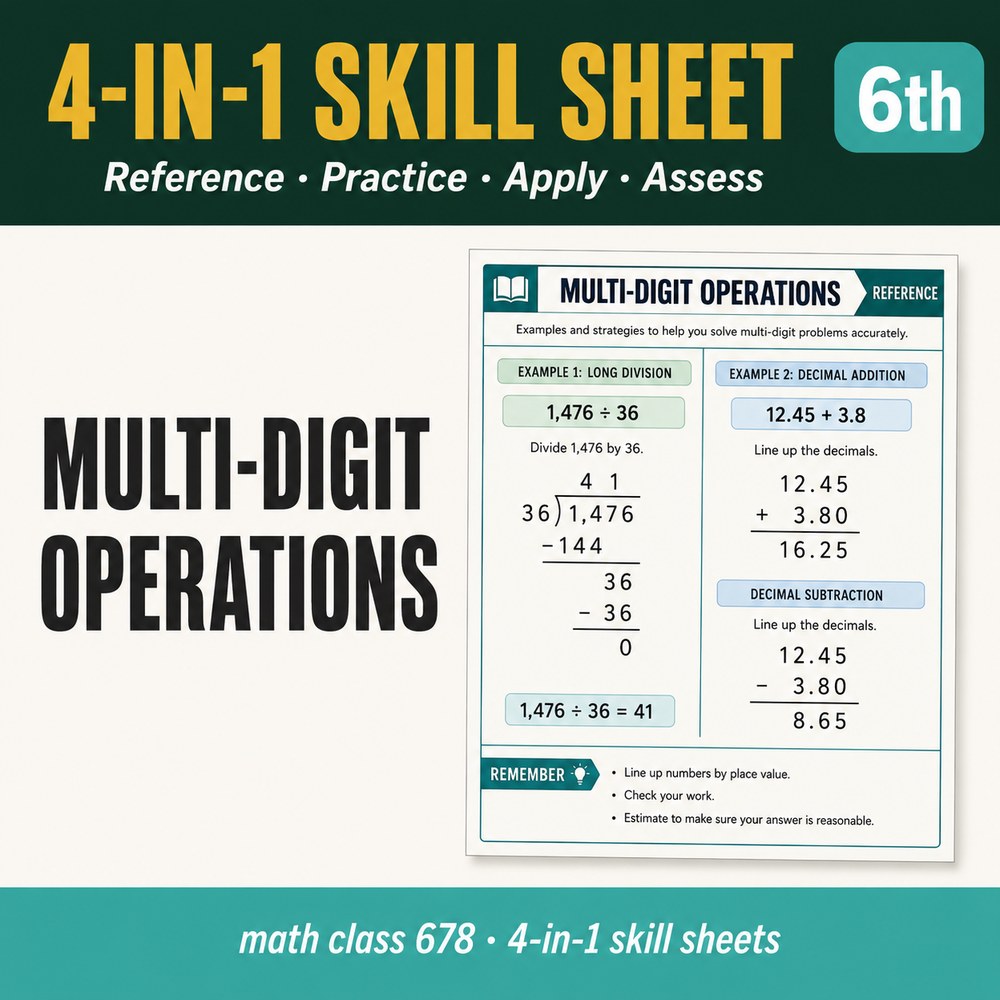
Students learn to fluently divide multi-digit numbers and compute with multi-digit decimals.
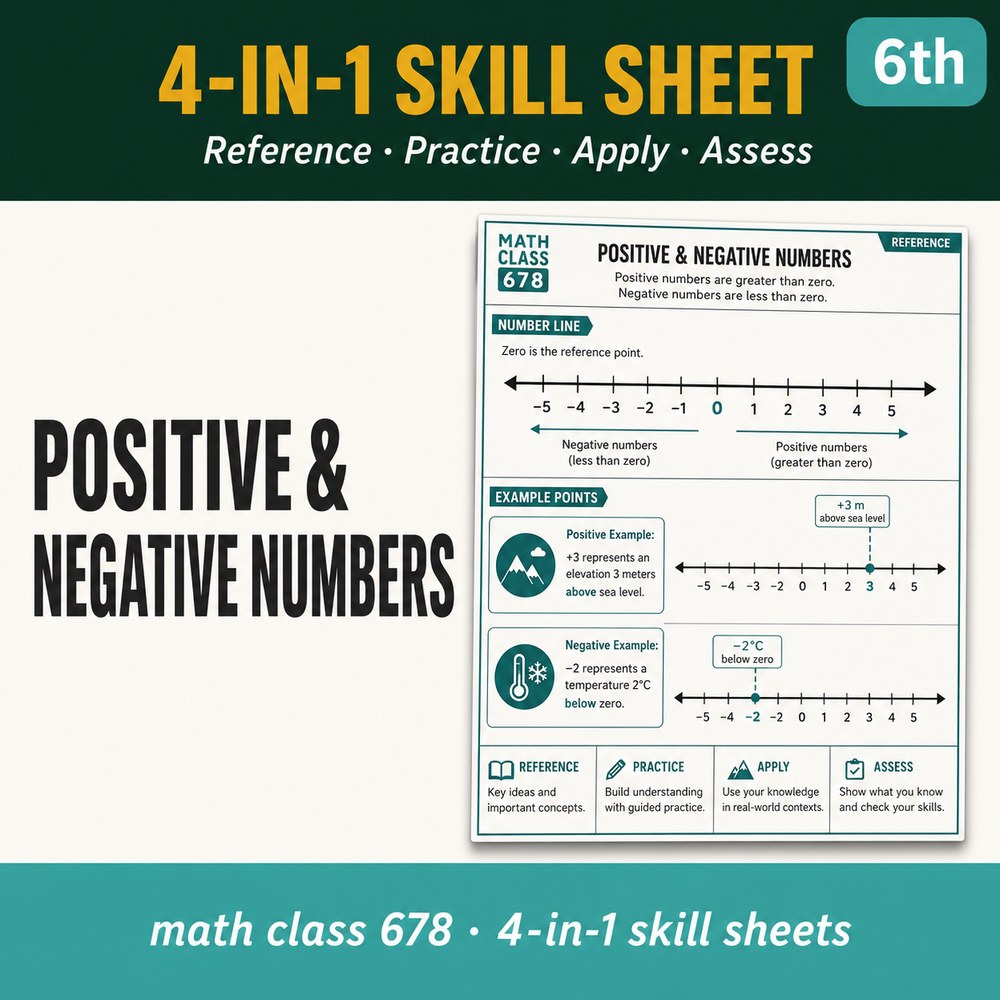
Students learn to use positive and negative numbers to represent real-world quantities.
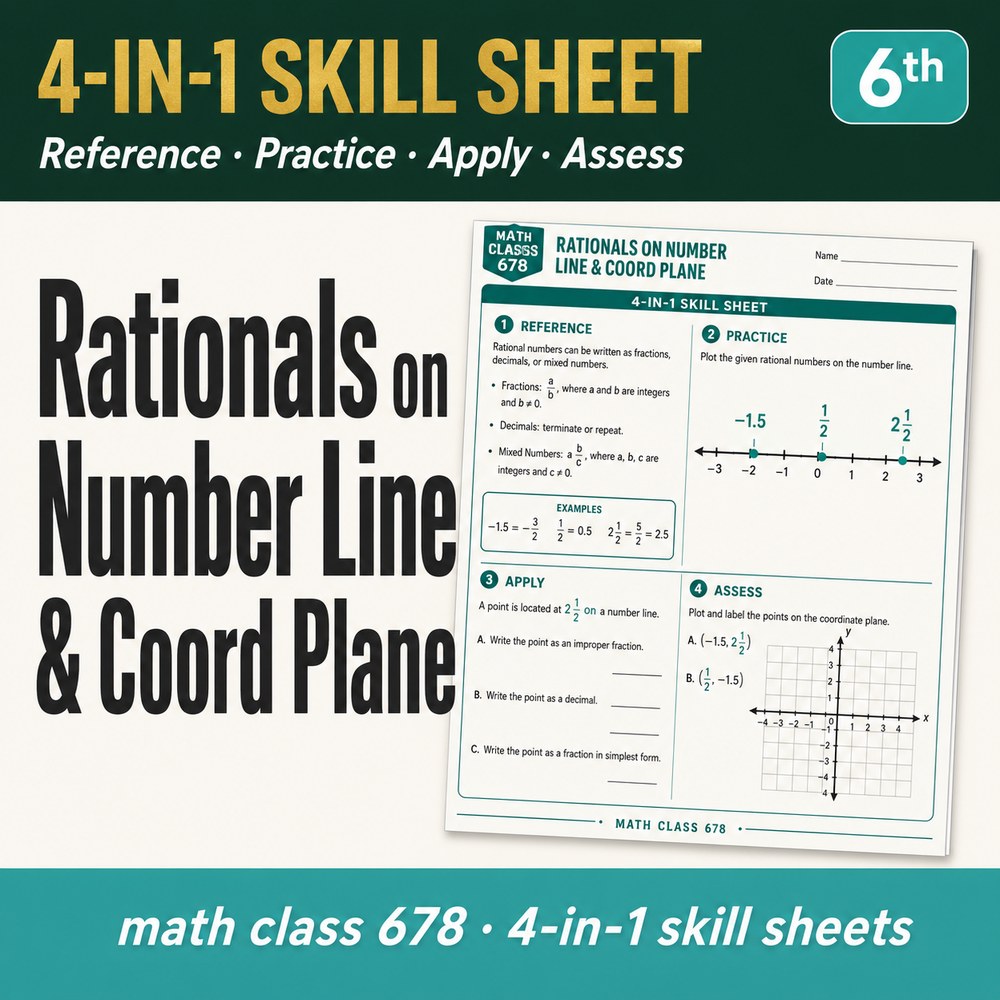
Students learn to plot rational numbers on a number line and on the coordinate plane.
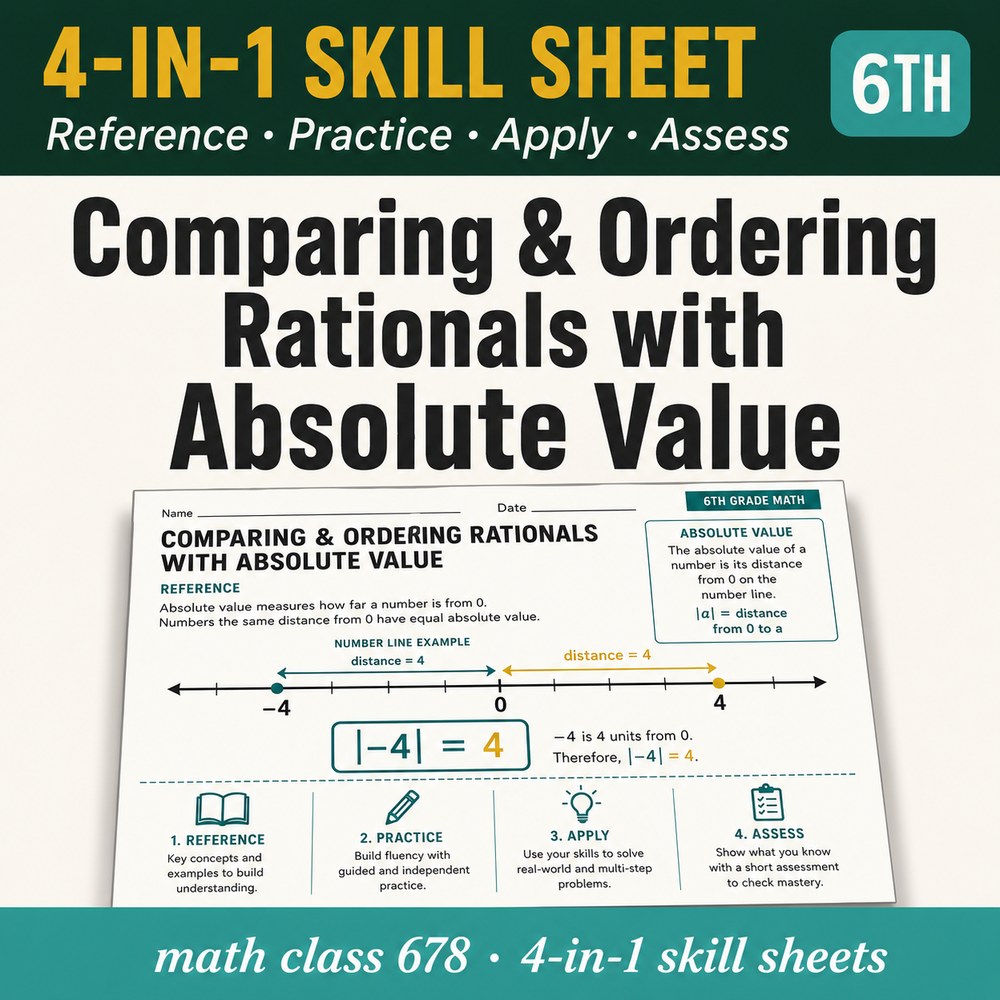
Students learn to compare and order rational numbers and interpret absolute value.
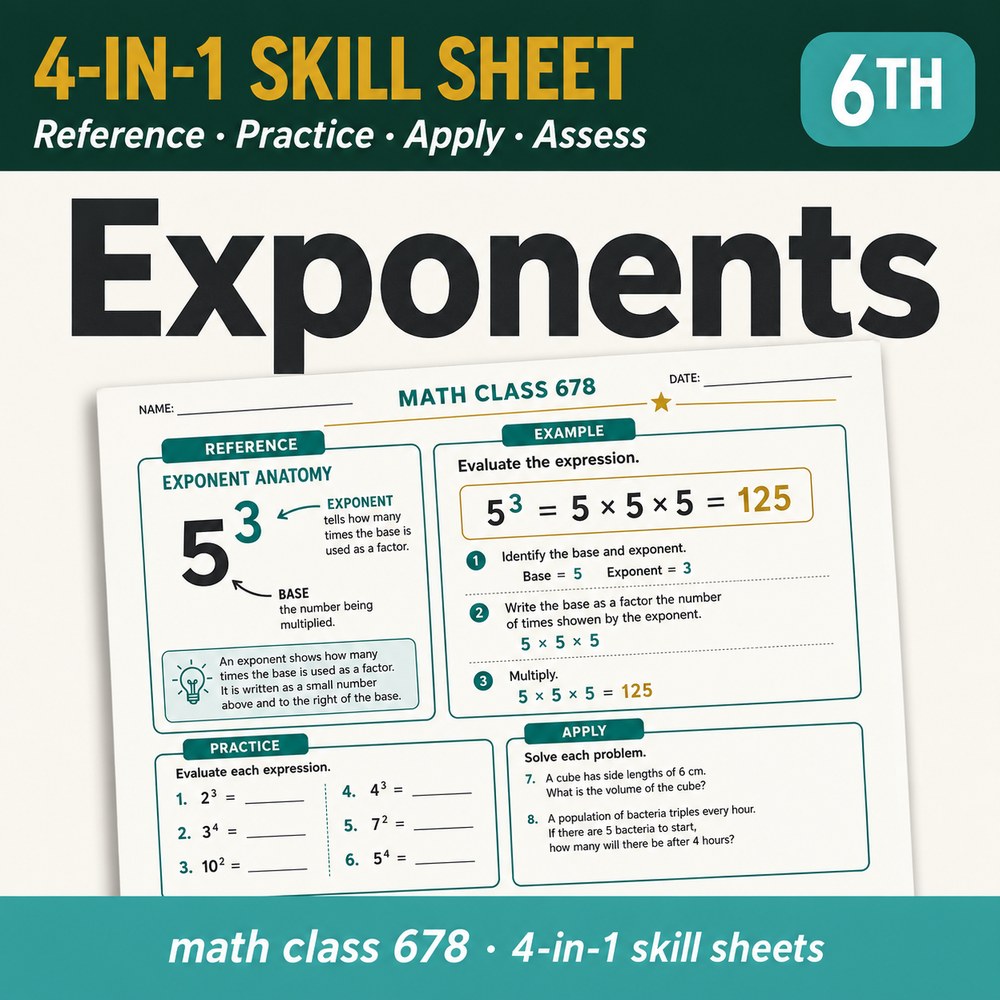
Students learn to write and evaluate numerical expressions involving whole-number exponents.
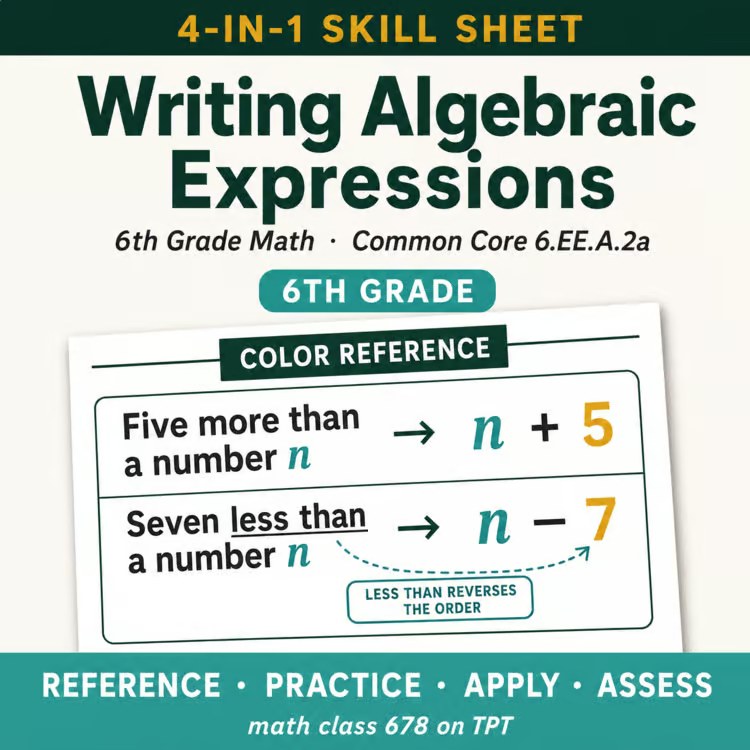
Students learn to write algebraic expressions from words using variables and operations.
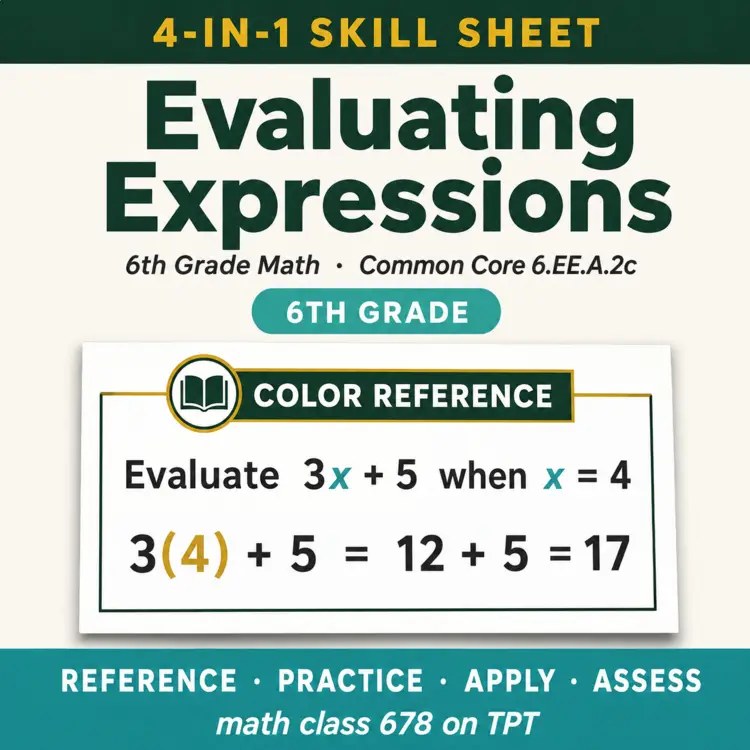
Students learn to evaluate algebraic expressions at specific values of their variables.
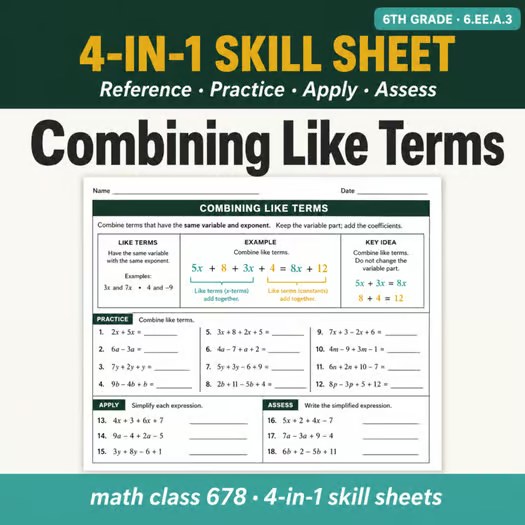
Students learn to combine like terms to write equivalent expressions.
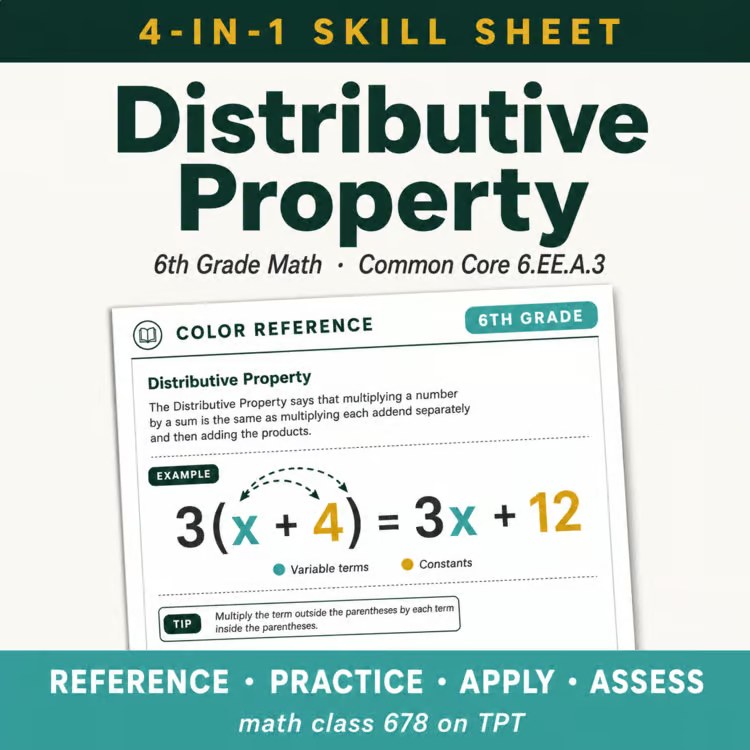
Students learn to apply the distributive property to write equivalent expressions.
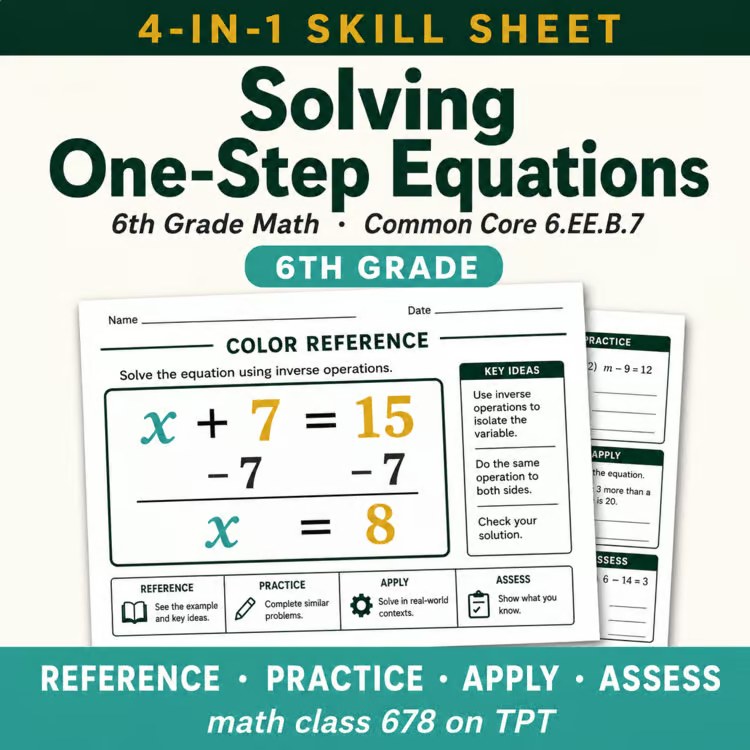
Students learn to solve one-step equations using inverse operations.
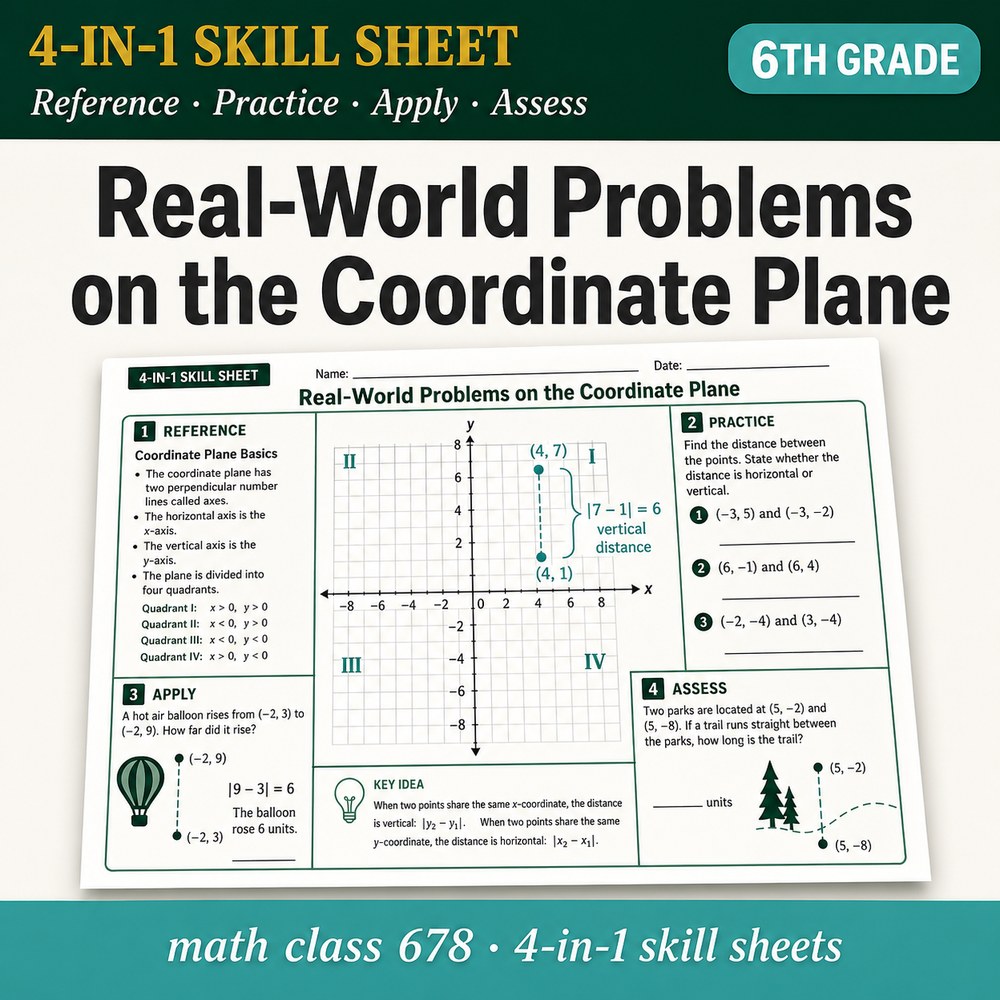
Students learn to solve real-world problems by graphing points and finding distances on the plane.
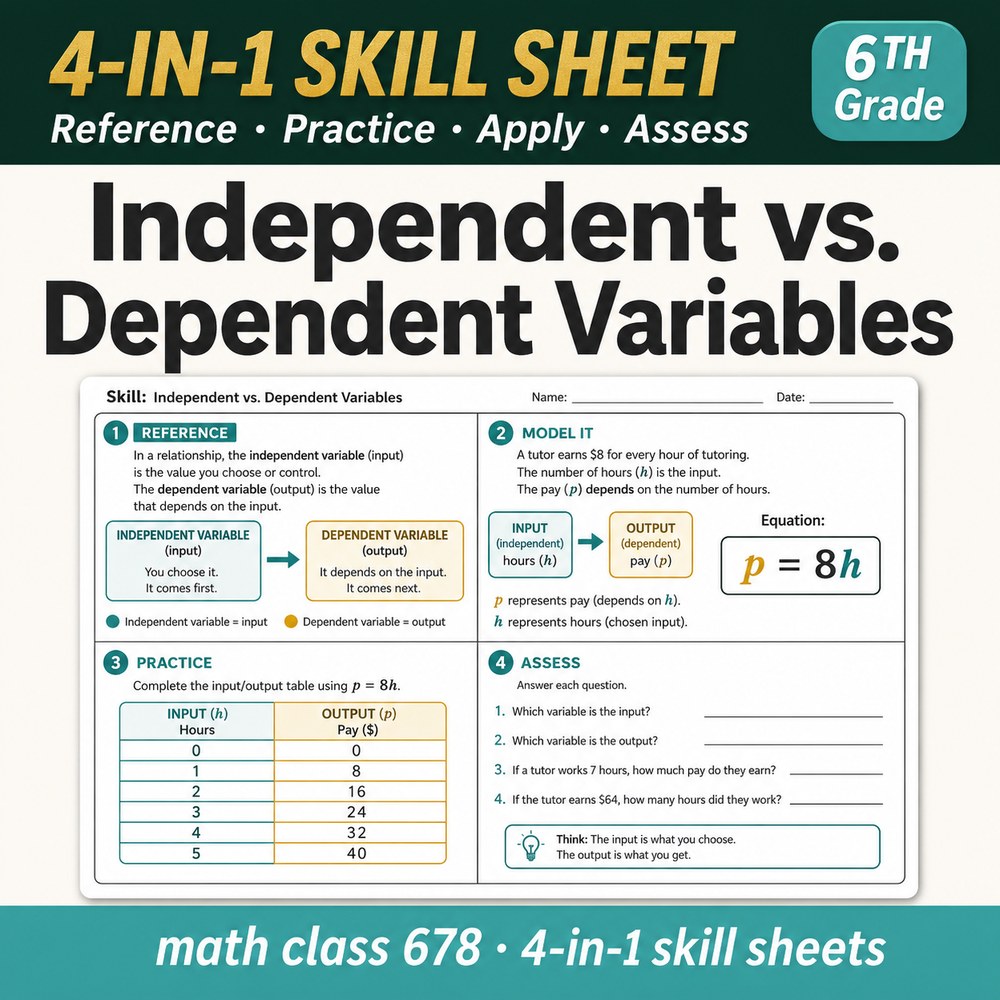
Students learn to identify independent and dependent variables and show how they relate.
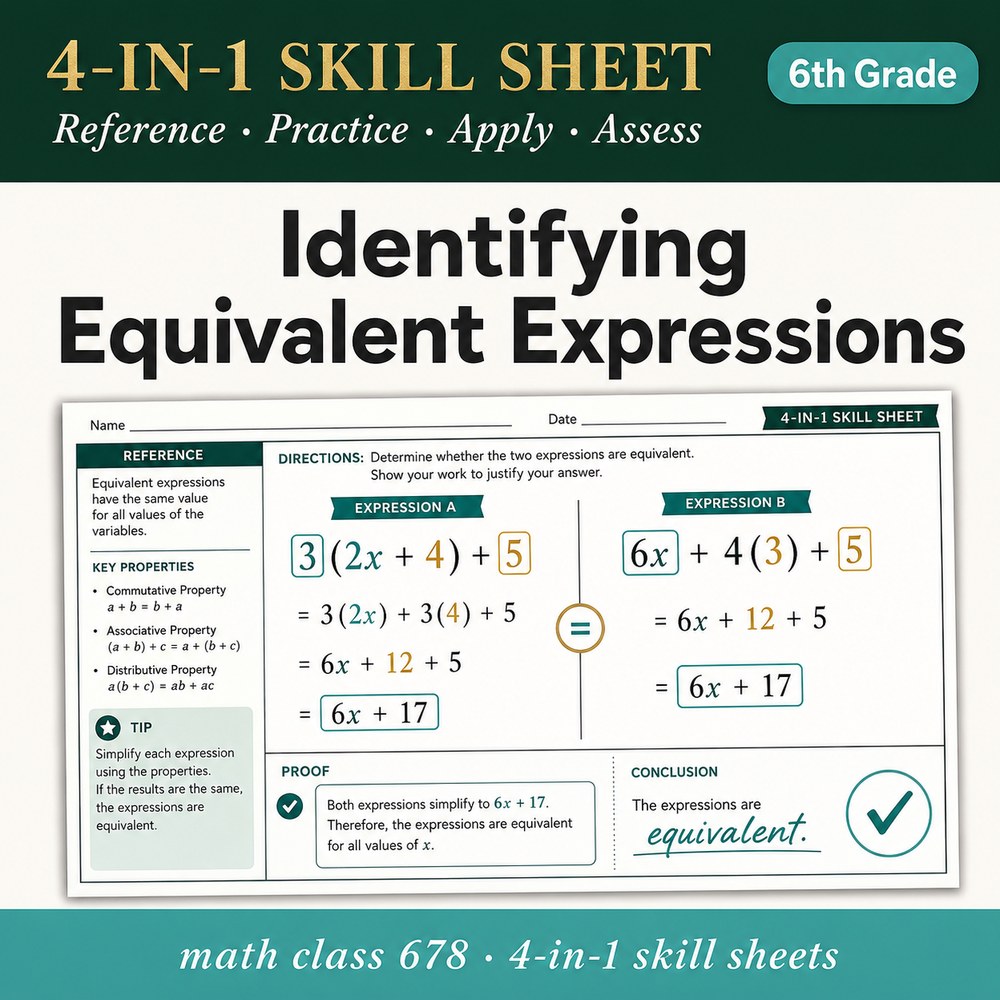
Students learn to identify when two expressions are equivalent for any value of the variable.
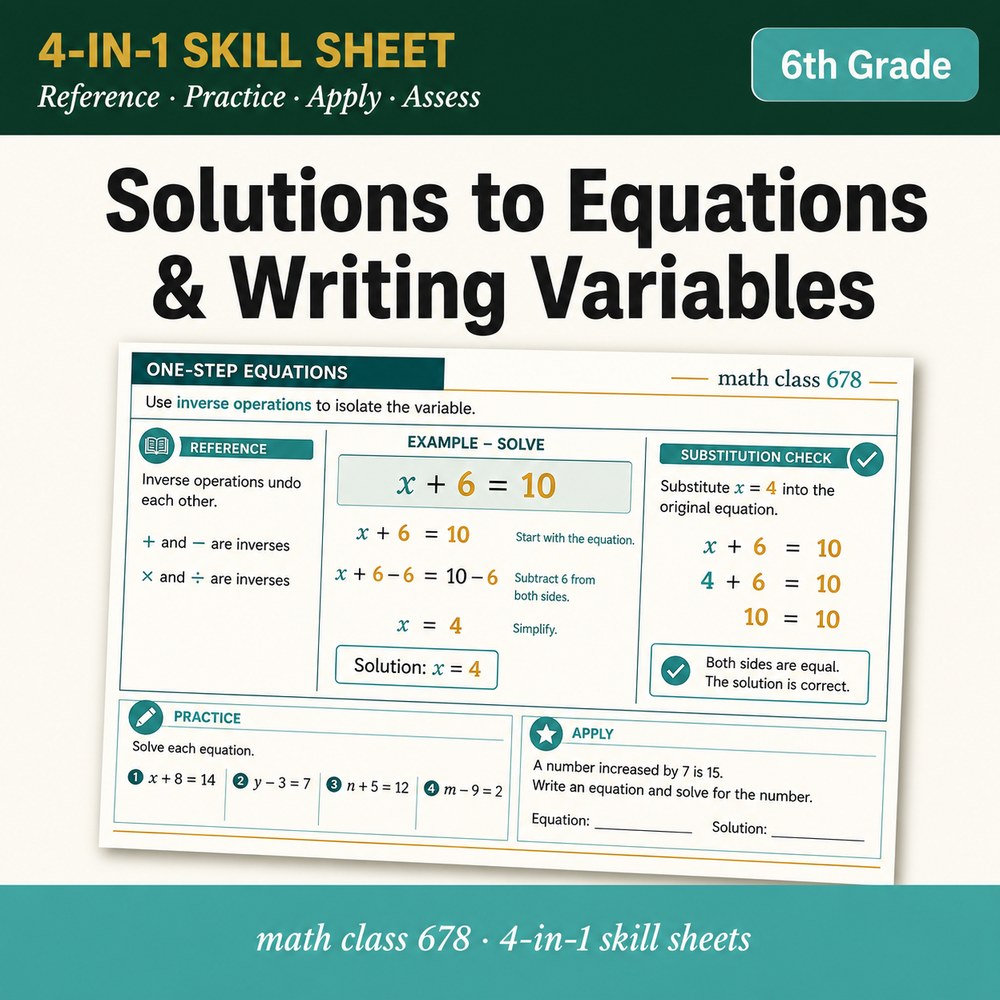
Students learn to decide whether a value is a solution and use variables to represent numbers.
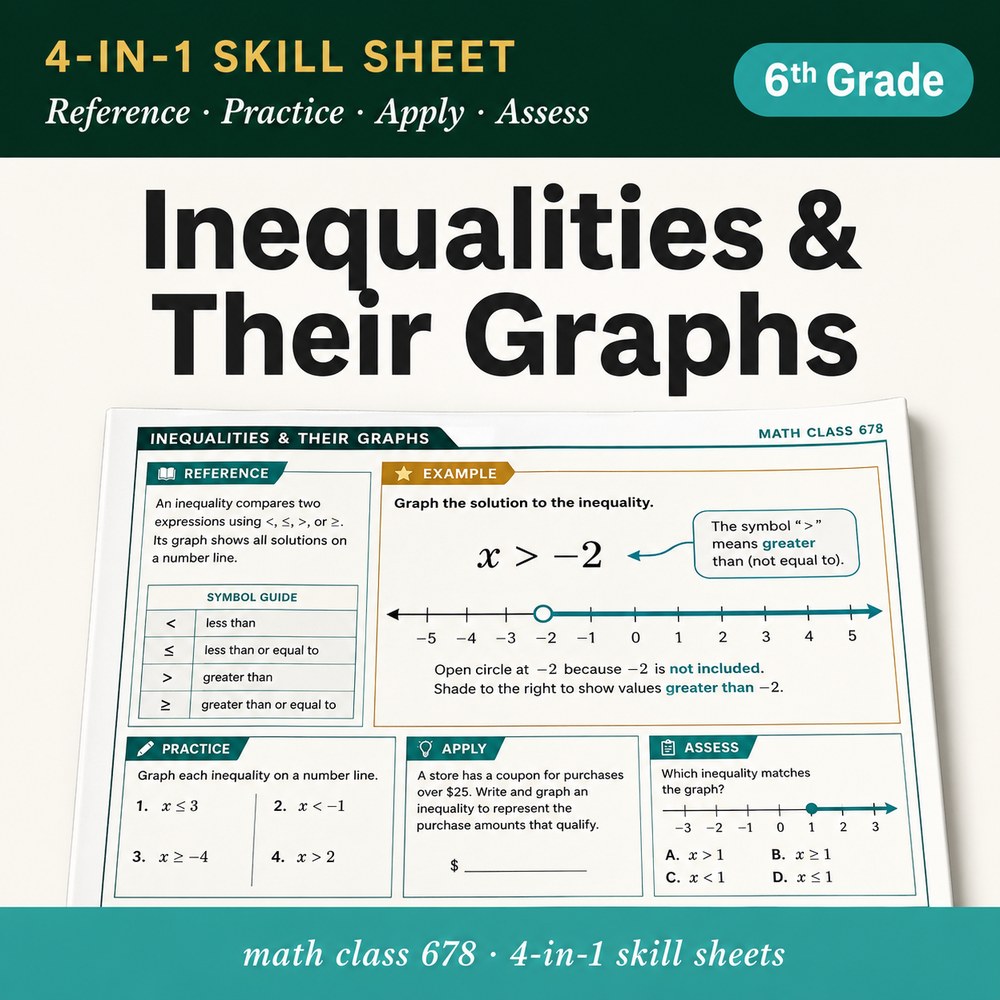
Students learn to write an inequality for a real-world condition and graph it on a number line.
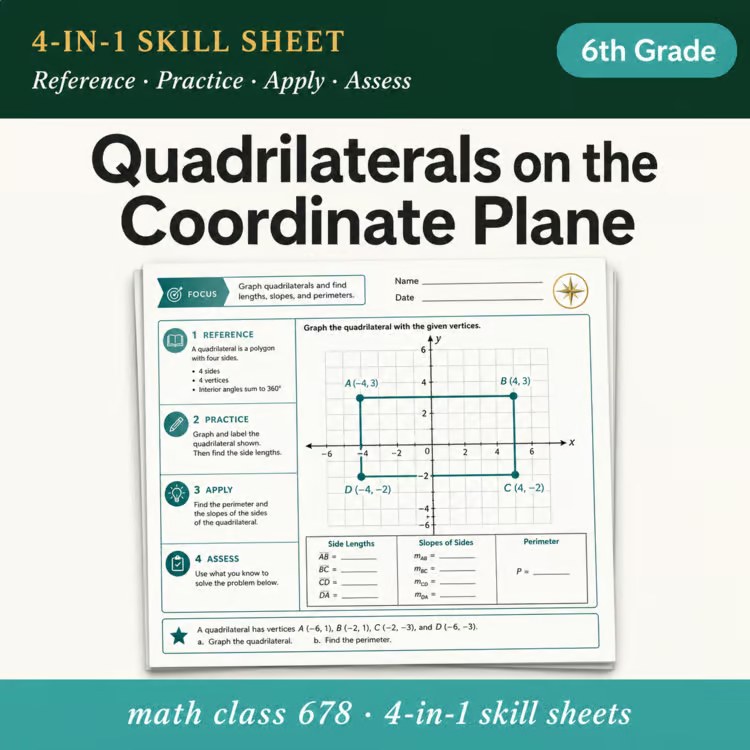
Students learn to draw quadrilaterals on the coordinate plane and use coordinates to find side lengths.
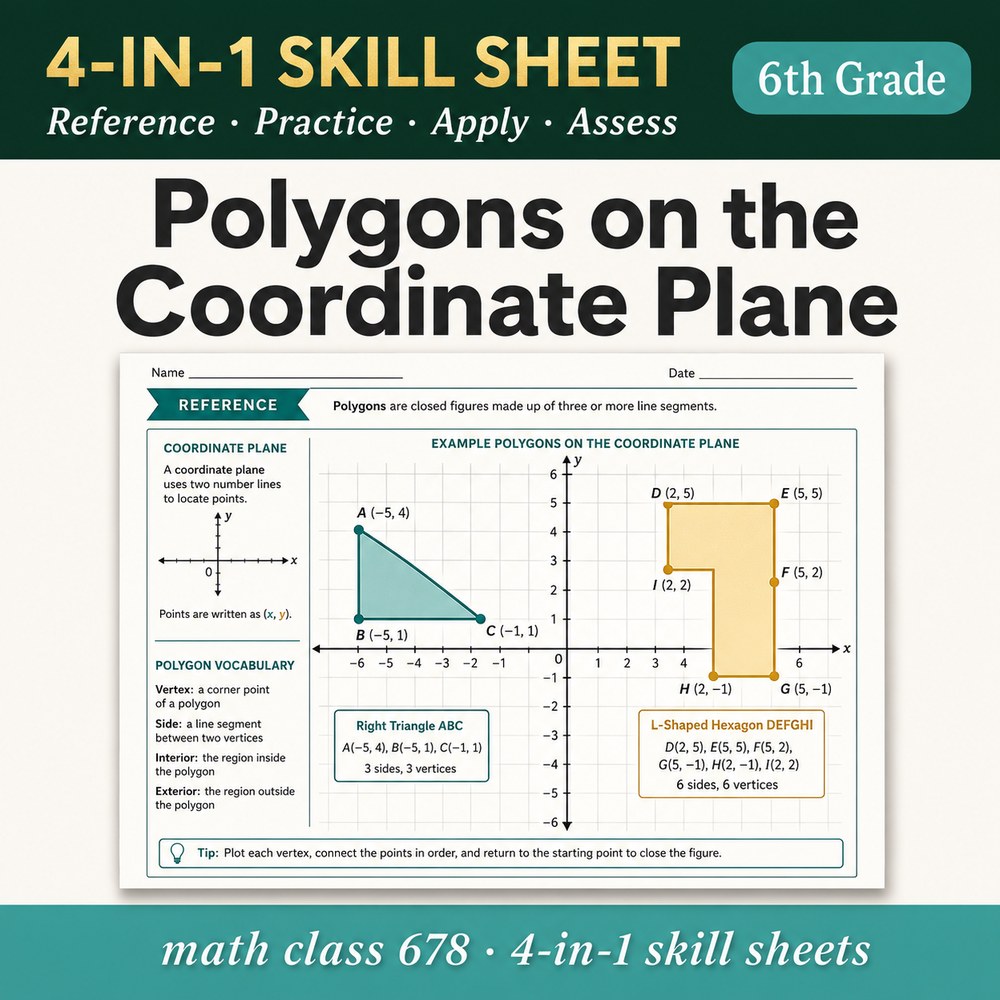
Students learn to draw polygons on the coordinate plane and use coordinates to find side lengths.
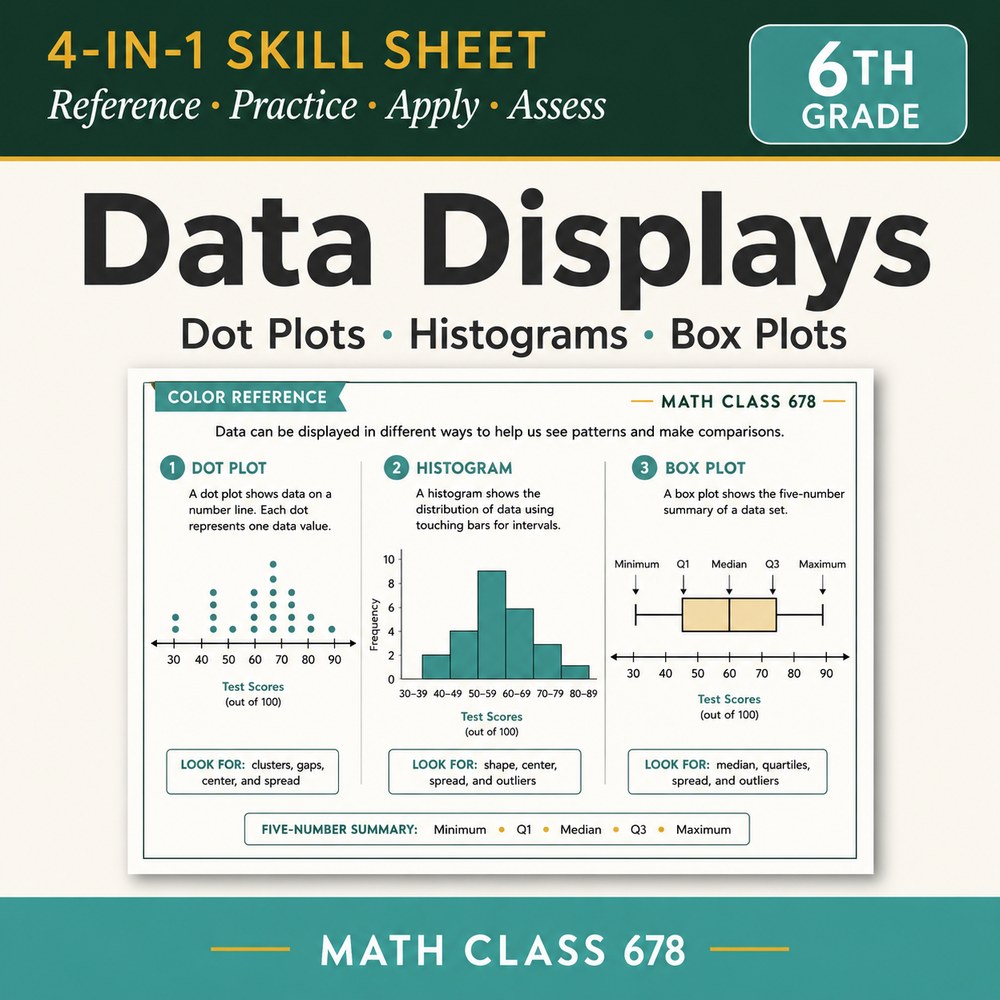
Students learn to display numerical data in dot plots, histograms, and box plots.
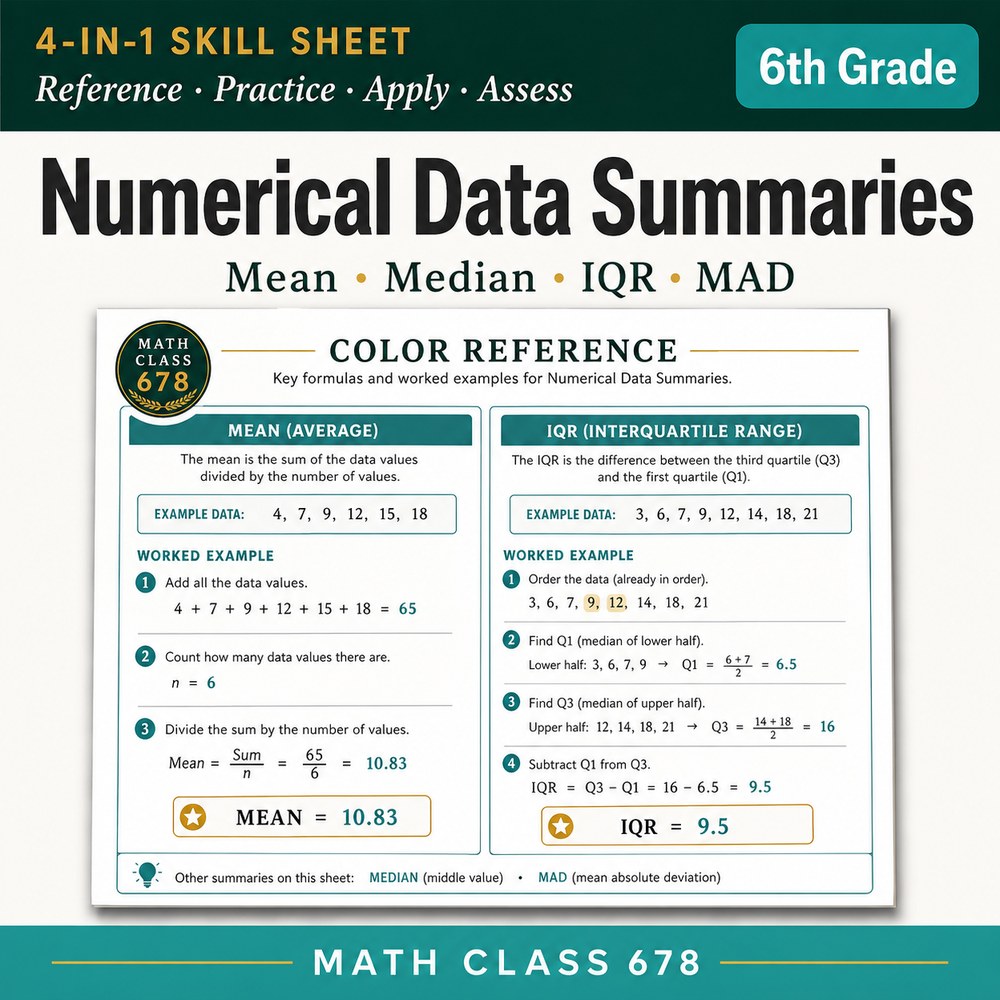
Students learn to find the mean, median, and mode of a data set and choose the best measure.
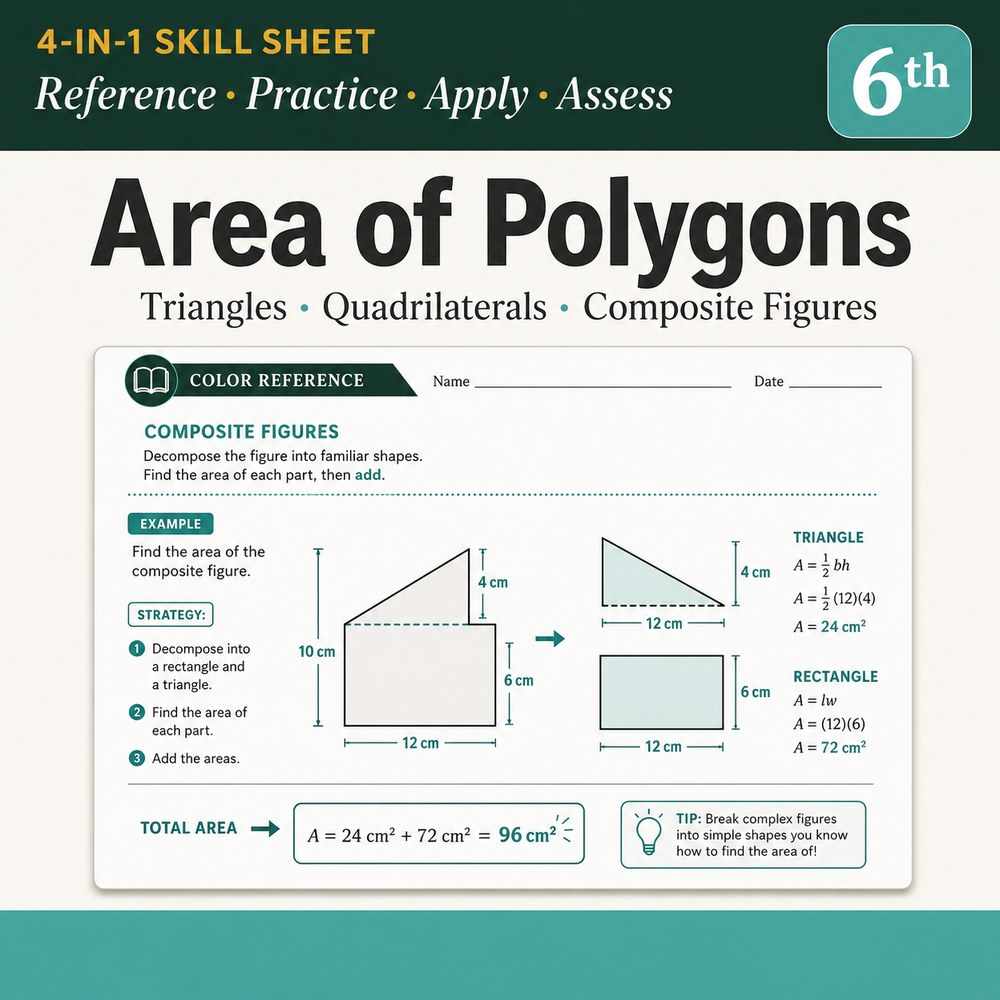
Students learn to find the area of triangles and quadrilaterals by composing and decomposing.
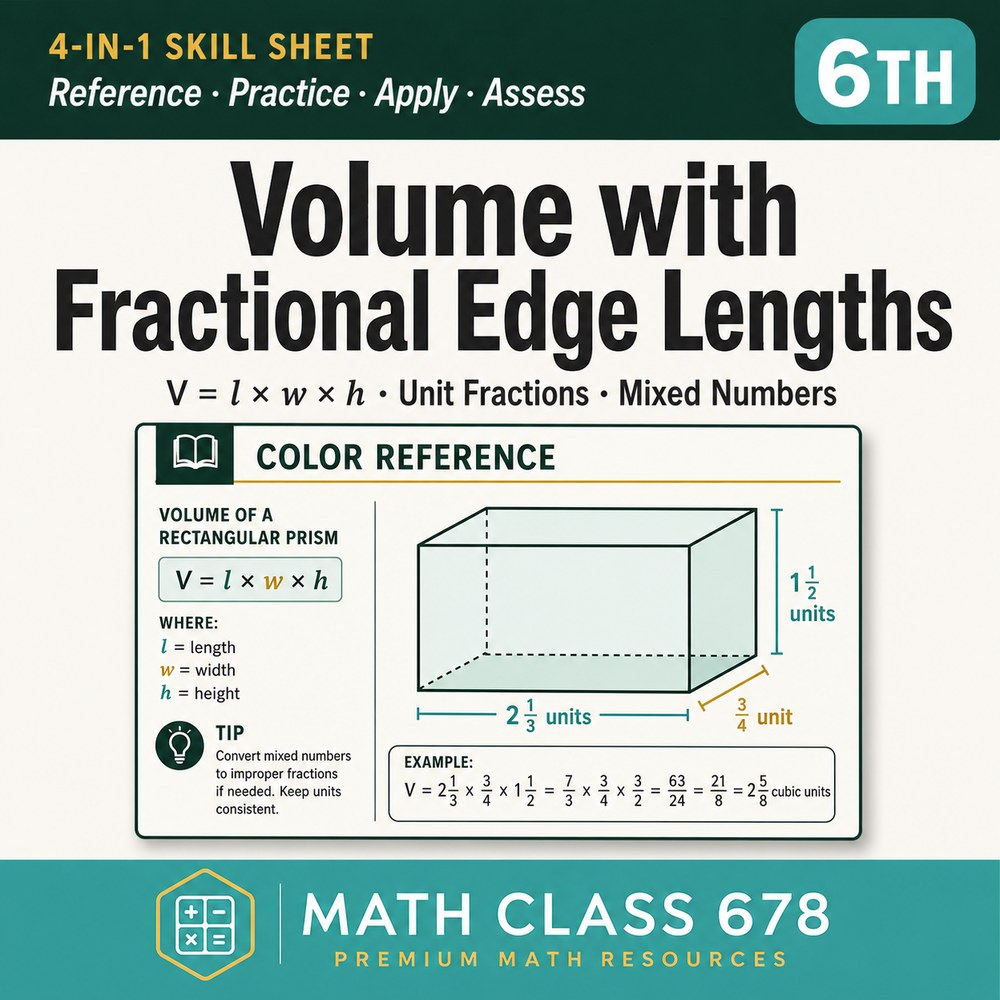
Students learn to find the volume of right rectangular prisms with fractional edge lengths.
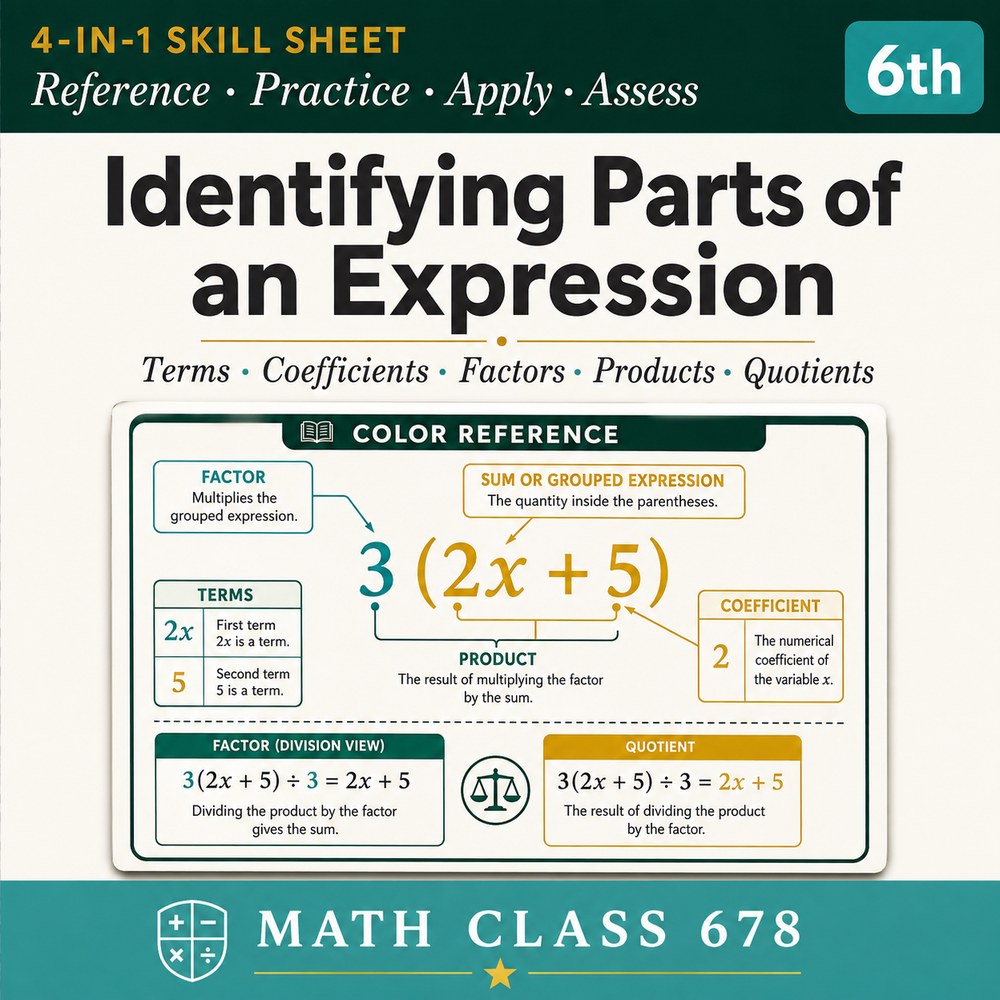
Students learn to identify the parts of an expression: terms, factors, coefficients, and sums.
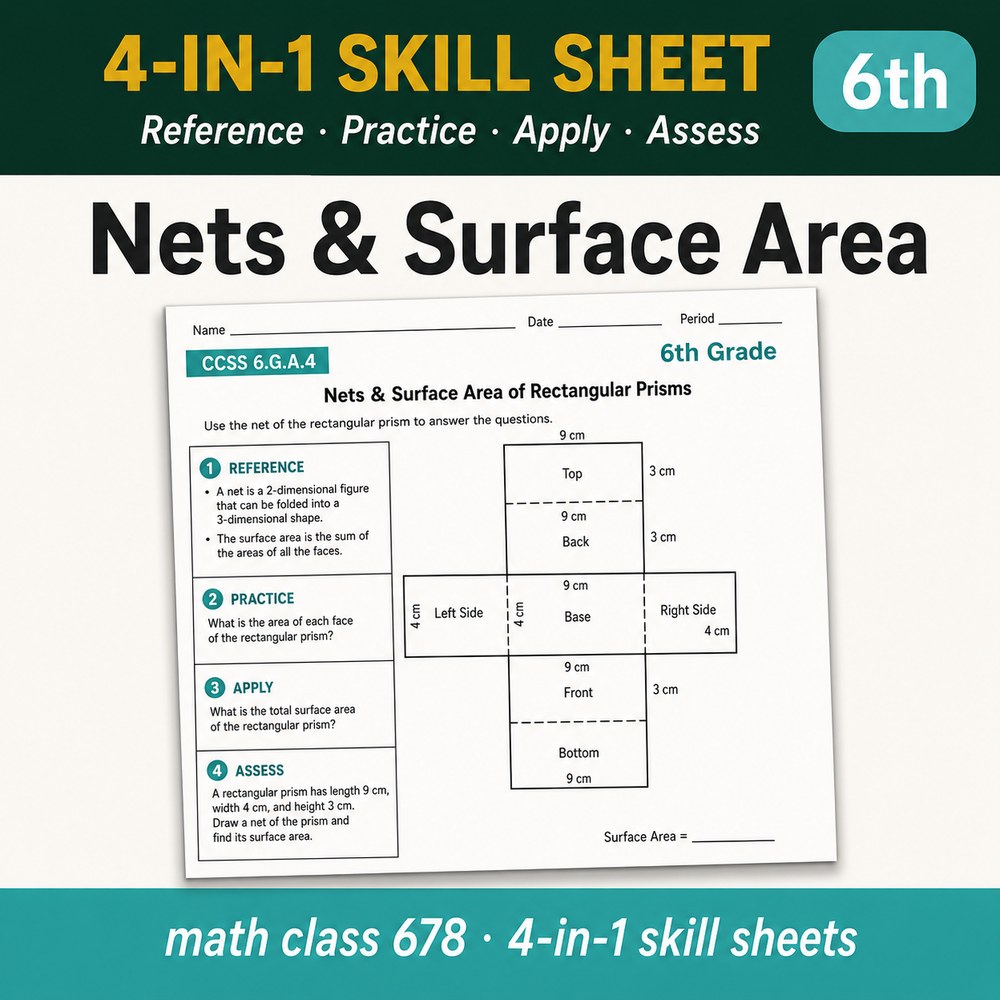
Students learn to use nets of three-dimensional figures to find surface area.
Sign up and I'll send you Combining Like Terms for 6th grade — a complete 4-in-1 Skill Sheet, no strings attached. You'll also hear when new sheets publish and when the store runs a sale.